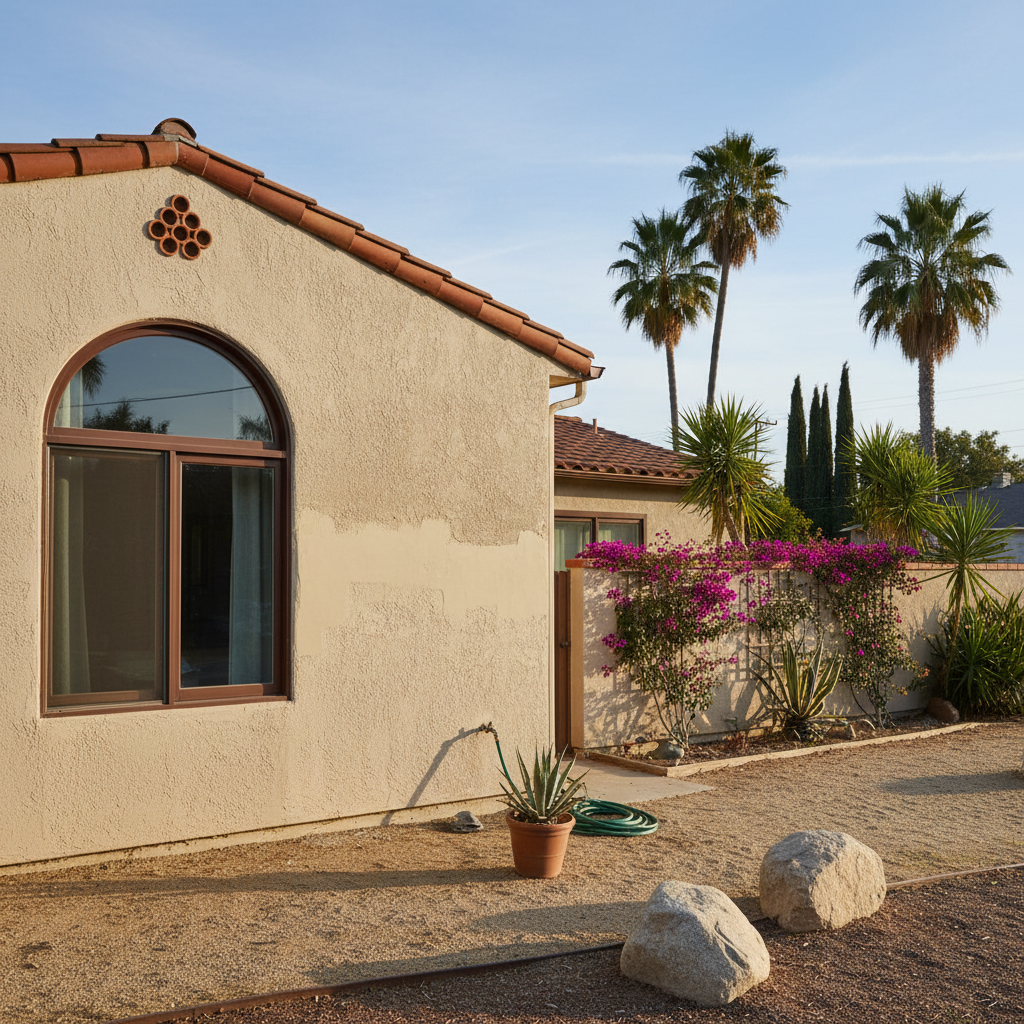
When's the absolute best time to get that stucco crack fixed or patch up a section of your wall? It's a question I hear a lot here in Arcadia, and honestly, the answer isn't just a simple 'whenever.' Our local weather, with its pretty distinct seasons, really dictates when stucco repair work will be most effective and, more importantly, durable. You want your investment to last, right? So let's chat about timing.
Why Arcadia's Climate Really Matters for Stucco
You know how our summers get super hot and dry, and then winter brings those cooler, sometimes damp, days? Well, stucco is basically a cement-based material. It needs certain conditions to cure right. If it's too hot, it can dry out way too fast, which often leads to shrinkage cracks. Too cold, and it won't cure at all, leaving you with weak spots. And if it's too wet, that's just a mess, and it can cause adhesion problems.
Think about the older homes near the Santa Anita Racetrack, or even some of the newer places up in the foothills. Many of them have stucco, and they're all dealing with the same climate shifts. Getting the repair timing right means you're less likely to have to redo the work sooner than you should.
The Best Times for Stucco Repair
From my experience, after years of working on homes all over Arcadia, the sweet spot for stucco repair usually falls into two main windows:
- Spring (March to May): This is often perfect. Temperatures are mild – not too hot, not too cold. We get some rain, sure, but usually not the heavy, constant kind that stops work. The stucco can cure slowly and evenly, which is exactly what you want for a strong, long-lasting repair.
- Fall (September to November): Just like spring, fall gives us those moderate temperatures. The summer heat has typically broken by then, and the winter rains haven't really started yet. It's another excellent window for repairs, giving the material plenty of time to set before any big weather changes.
These periods offer the best balance of temperature and humidity, letting the stucco bond correctly, cure fully, and hit its maximum strength. It's when Top Notch Stucco Co. often sees our busiest schedules for repair work, and for good reason, too.
When to Hold Off on Stucco Repair
There are definitely times you'll want to wait, even if that crack is really bugging you:
- Peak Summer Heat (July & August): While it's dry, that intense heat can be a real problem. Stucco dries too quickly in high temperatures, and that often leads to premature cracking. It's kind of like trying to bake a cake at double the temperature – it might look done on the outside, but it's not right on the inside.
- Winter Rains & Cold (December to February): Our winters aren't extreme, but those cold, damp days are no good for stucco. The material just won't cure properly in low temperatures, and constant moisture can keep it from sticking to the existing surface. You don't want to pay for a repair that's going to fail because it was done in the wrong conditions, do you?
Of course, emergencies happen. If you've got a major leak or structural damage, you can't always wait. In those cases, we'll take extra precautions, like using special additives or temporary shelters, but it's always better to plan if you can.
Protecting Your Stucco Investment Year-Round
Once your stucco is repaired, you want to keep it in good shape. Here are a few things you can do:
- Keep an Eye Out: Take a regular walk around your house. Look for new hairline cracks, discoloration, or any signs of moisture. Catching small problems early saves you big headaches and much bigger repair bills down the line.
- Manage Your Landscaping: Make sure sprinklers aren't constantly hitting your stucco. Persistent moisture is stucco's enemy, plain and simple. Also, keep shrubs and trees trimmed back so they're not rubbing against the walls, which can scratch or damage the surface.
- Maintain Gutters and Downspouts: This is a big one. Clogged or damaged gutters can spill water directly onto your stucco, leading to erosion, staining, and eventually, water intrusion. Make sure they're clean and directing water away from your foundation.
- Consider a Fresh Coat of Paint/Elastomeric Coating: Every few years, depending on the product, a good quality paint or elastomeric coating can add an extra layer of protection against the elements, especially our intense summer sun and occasional winter rains. It's like sunscreen for your house, really.
Ultimately, a little proactive care and smart scheduling based on our Arcadia climate can make a huge difference in how long your home's stucco lasts and how good it looks. Don't hesitate to reach out if you've got questions or need a professional eye on your stucco. We're always here to help you keep your home looking its best.