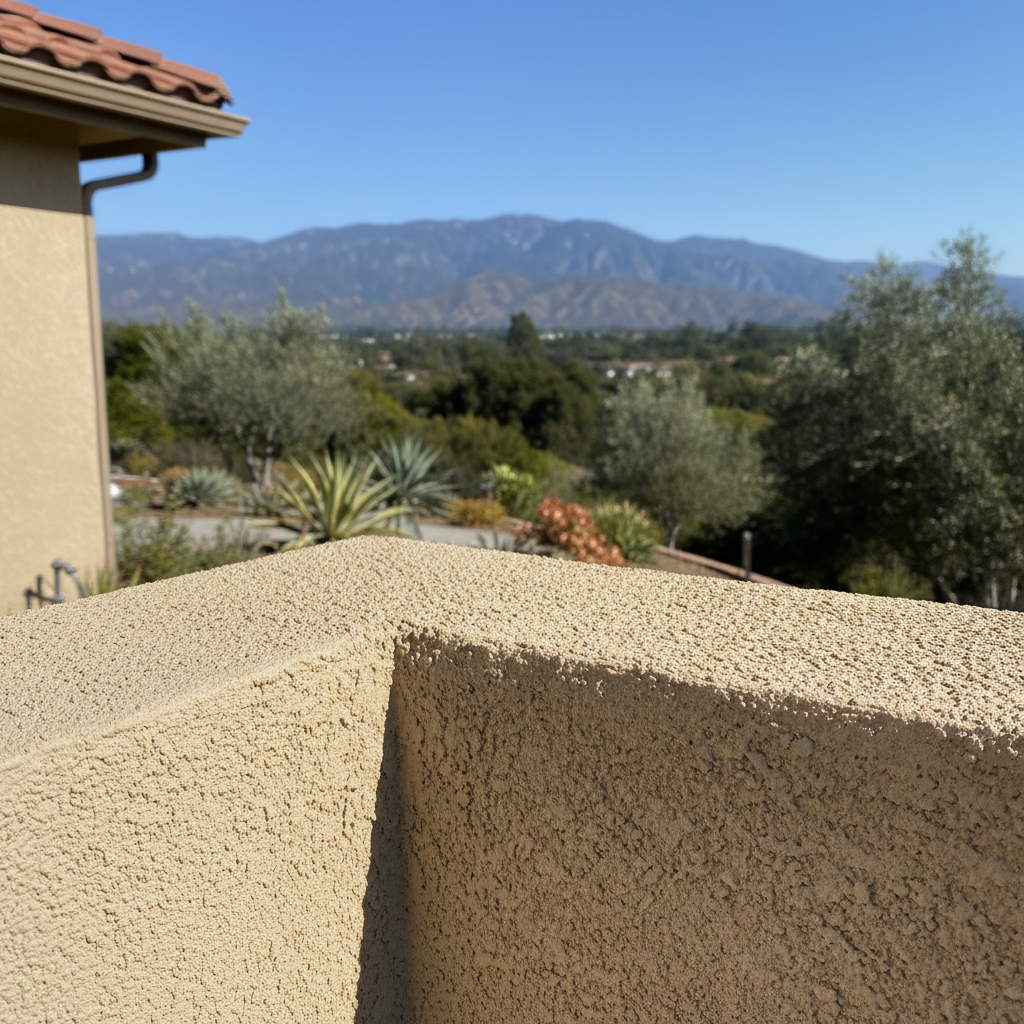
So, your stucco's looking a bit rough, huh? Maybe it's cracked, stained, or just plain tired. You're probably thinking about replacing it, and that's a big project, no doubt. But hold on a second. Don't just jump in. There's a lot you should know before you start tearing things off your walls. I've been doing this for years right here in Arcadia, and believe me, I've seen it all. I want to give you the real story on what you're getting yourself into.
Before You Start: Planning & Assessment
First things first: why are you replacing it? Is it just how it looks, or is there a bigger problem hiding underneath, like water damage or even structural issues? If it's more than just a few tiny cracks, you've likely got bigger fish to fry than simply a fresh coat of stucco. You really need to find the root cause. Sometimes, what seems like bad stucco is actually a leaky window or flashing that's given up the ghost.
Take a walk around your house; really look at it. Check for soft spots, bulging, or places where the stucco is pulling away from the wall. Pay extra close attention to areas around windows, doors, and the roofline. These spots are often where water gets in, especially with our occasional heavy rains that can truly test a home's exterior. If you spot anything suspicious, you'll want a professional to take a look. This isn't a DIY kind of job; you're hunting for hidden damage that could cost you a fortune later if you ignore it.
Next, think about your budget and how much time you have. Replacing stucco isn't cheap, and it's definitely not something you can knock out on a weekend. Get a few quotes from contractors you trust. Don't just pick the cheapest one; make sure they're licensed, insured, and have good references from folks right here in the neighborhood. Ask them about the full scope of work, what materials they'll use, and how they plan to handle any underlying problems they might find.
During the Project: What to Expect & DIY Limits
Alright, so you've decided to go for it. What's involved? The first step is usually demolition. This is when the old stucco comes off. It's dusty, it's messy, and it creates a mountain of debris. You could do this yourself if you're in good shape, have the right tools (a sturdy hammer, pry bar, safety glasses, dust mask, and gloves are a must), and don't mind a whole lot of hard work. But honestly? Most homeowners who try it end up regretting it. Just getting rid of all that waste is a headache.
Once the old stucco is gone, you'll see the sheathing underneath. This is the crucial inspection point. Any rot, mold, or damaged wood has to be replaced before new stucco goes on. This is absolutely NOT a DIY job unless you're an experienced carpenter. Getting the structure sound is incredibly important. If you try to just cover up rotten wood, you're practically inviting trouble.
After repairs, the new stucco system goes on. This usually means a waterproof paper or membrane, lath (that's the metal mesh), and then several coats of stucco. Each layer needs to be put on correctly, at the right thickness, and given enough time to dry properly. This is where the real skill comes in. Getting a smooth, consistent finish, especially on a big wall or a house with lots of architectural details — like many of those beautiful Spanish Colonial Revival homes around the Santa Anita neighborhood — takes years of practice. It's not just about slapping mud on a wall; it's about proper mixing, knowing the right way to apply it, and perfect timing.
Unless you've got serious experience applying stucco, I really recommend hiring a professional for this part. You'll save yourself a ton of frustration, wasted materials, and ultimately, you'll get a much better-looking and longer-lasting result. We at Top Notch Stucco Co. have seen plenty of DIY stucco jobs that ended up costing more to fix than if the homeowner had just called a pro from the beginning.
After the Project: Maintenance & Longevity
So, the new stucco is on, and your house looks fantastic. Now what? Keeping it up is key to making sure your investment lasts. Stucco is tough, but it's not indestructible.
- Keep it clean: Wash your stucco every so often with a soft brush and some mild soap. Don't go too crazy with a high-pressure washer; it can actually damage the finish.
- Watch for cracks: Small, hairline cracks are normal as a house settles. Just keep an eye on them. If they get bigger or you notice new, larger cracks, get them checked out.
- Manage water: Make sure your gutters are clean and sending water away from your foundation. Check your sprinklers too, so they aren't constantly spraying your stucco walls. Constant moisture is stucco's worst enemy.
- Sealants: Around windows and doors, take a look at the caulking. If it's cracking or pulling away, re-caulk it. This is a simple DIY job that can prevent a lot of headaches, wouldn't you agree?
A stucco system that's installed well and maintained properly can last for decades. Taking good care of it means you won't be looking at another full replacement anytime soon. It's all about being proactive and fixing small issues before they turn into big, expensive problems.